

CLIENT
Alight Solutions
PROJECT
Enterprise Design System
MY ROLE
Product Design Lead
TEAM
9 direct reports, 35+ designers supported
YEAR
2020-2026
ENTERPRISE DESIGN SYSTEM
Alight Worklife Design System
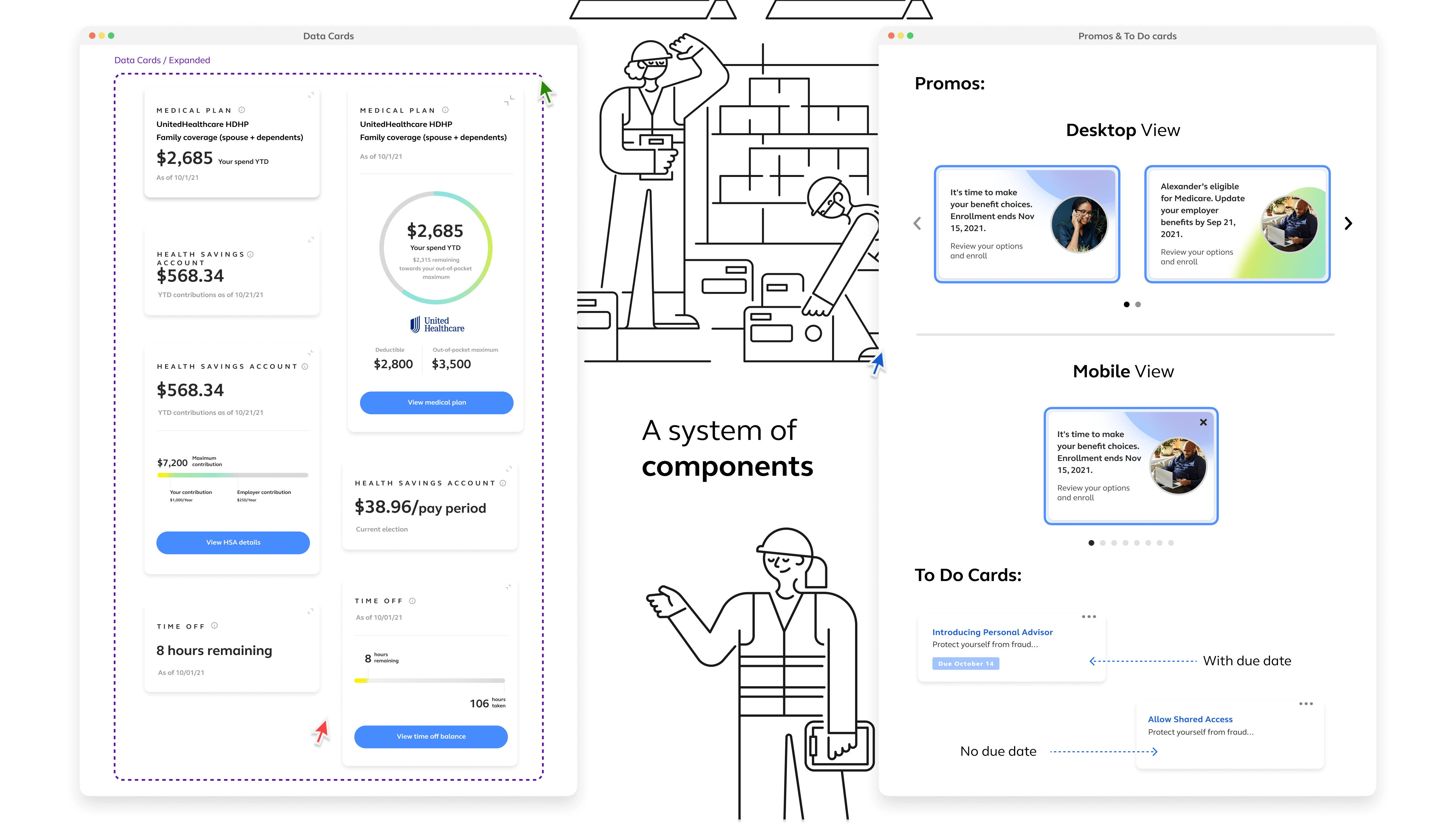
I led the design system work connecting brand and product across Alight’s HR platform, serving 36M+ users. I brought Design, Product, and Engineering together around shared components, governance, and a clearer way to request and review work.
The platform supported benefits experiences for 70% of the Fortune 100. Our job was to give product teams a consistent foundation they could use as the platform grew.
Product Design Lead · Design System · Alight Solutions · 2020–2026
The challenge
Restructuring removed design specialties while the platform continued to grow. We needed a consistent way to make decisions and avoid rework across product teams.
The approach
I established governance, a fidelity decision framework, and structured intake so teams could agree on requirements and effort before work began.
The impact
40%
Less design rework, with fidelity decisions agreed during intake instead of being revisited mid-project.
Context & Constraints
We supported several product lines within a distributed, Product-led organization. As teams and priorities changed, we needed shared standards that people could use without relying on the design system team for every decision.
The team and scope
Design systems leadership reported into Product.
Our distributed team supported several product lines, with specialized roles including accessibility experts. Long-standing partnerships helped us retain context as the organization changed.
The work included the AWLDS interface, modal guidance, and fidelity and intake frameworks.
Tools we worked with
Figma for design and prototyping, Jira for intake and backlog management, Storybook for coded components, and Zeroheight for system documentation.


What this meant for the system
The guidance needed to work without me in the room. I focused on clear, shareable frameworks that teams could use on their own.
Audits and stakeholder interviews pointed to four recurring problems.
Scope changes during delivery
Product and Engineering sometimes requested more design detail mid-project without revisiting the estimate.
Different expectations of fidelity
Stakeholders did not have a shared way to distinguish fidelity levels or understand the effort each required.
Inconsistent modal patterns
Teams were creating modals and dialogs without shared guidance on interaction patterns and accessibility.
Requests entering the backlog too early
Without a formal intake process, design system requests could reach the backlog before requirements were clarified.
What we found
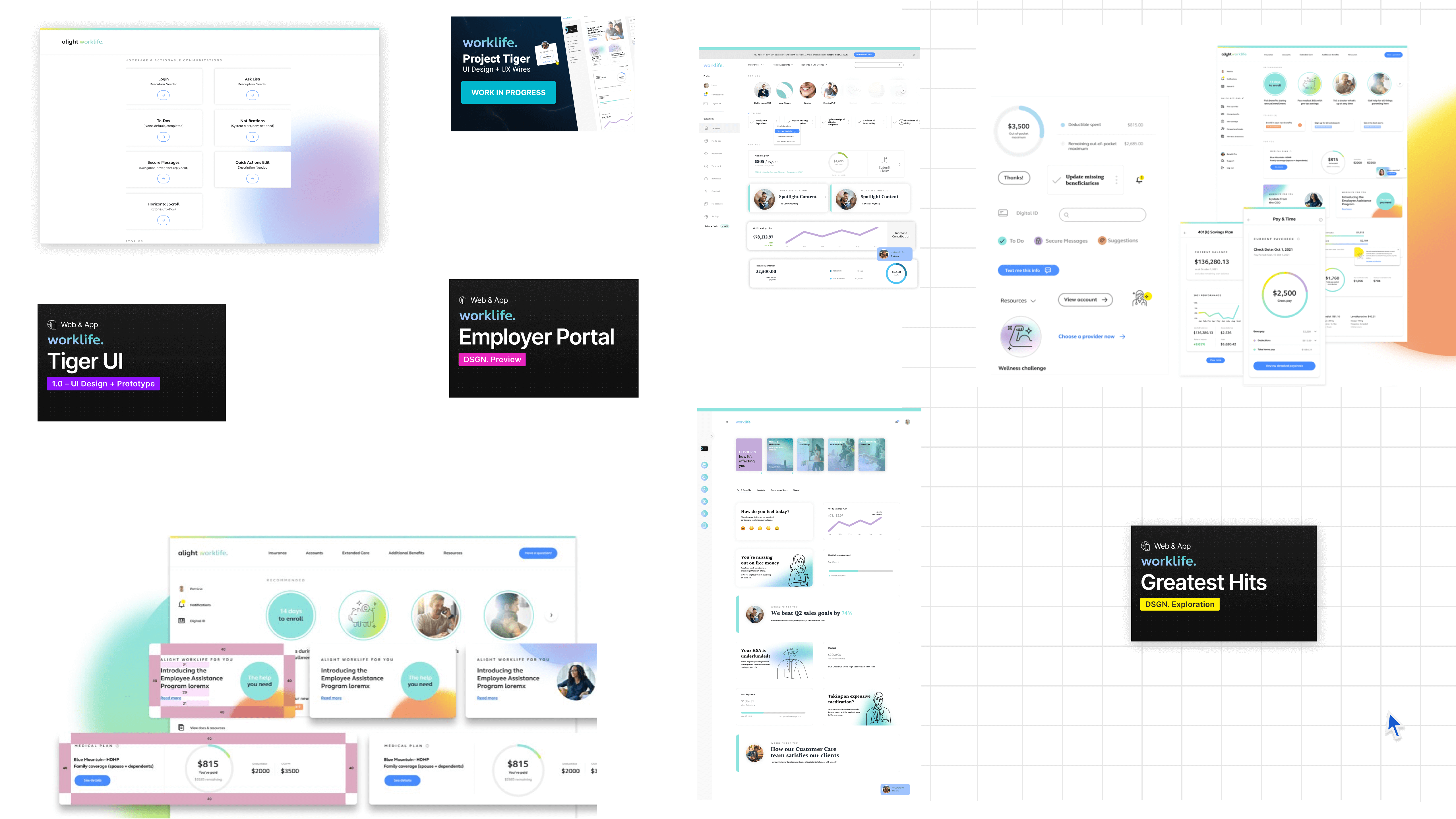
Building composites from core primitives (master components) kept patterns consistent and made the system easier to maintain. We needed to make the effort behind those decisions clear before work began.
I developed a fidelity decision matrix to help teams agree on the level of design detail and effort a project needed.
Low fidelity
Wireframes and basic layouts: 2–4 hours.
Medium fidelity
Styled mockups and basic interactions: 8–16 hours.
High fidelity
Polished UI, detailed interactions, and animation: 24–40+ hours.
We also formalized intake so requests included the details needed before backlog review:
- Business impact and measurable goals
- An agreed fidelity level
- Accessibility requirements
- Complexity and an effort estimate

Agree on fidelity before work begins
We documented fidelity decisions in the ticket during intake. If the work needed a higher level of detail later, we treated that as a scope change and revisited the estimate.
We organized the system into four levels, so teams could build on shared foundations rather than start over for each product.
Foundations
Design tokens, typography, color, and spacing.
Core components
Buttons, inputs, and basic layouts.
Composite components
Forms, data tables, and navigation built from core components.
Patterns
Shared approaches to complete workflows, such as login and dashboards.

Build on what is shared
Building composites from core primitives (master components) kept patterns consistent and made the system easier to maintain.


How we rolled it out
1. Foundations and core components
We started with tokens and core components over the first three months.
2. Governance and documentation
The next two months focused on governance frameworks and documentation.
3. Patterns and adoption
We continued developing more complex patterns and supporting teams as they adopted the system.
Helping teams answer their own questions
Office-hours attendance dropped 40% after three months as the documentation gave teams more of what they needed to work independently.
REFLECTION
What I learned
Start intake earlier
I introduced structured intake in the second year. By then, ad hoc requests had already shaped expectations and made governance harder to change. Starting with shared requirements, fidelity, accessibility, and effort would have made delivery more predictable from the beginning.
Accessibility improves every decision
Accessibility experts changed how we evaluated the work. Their perspective gave Design and Engineering a shared filter for challenging assumptions, considering edge cases, and making more deliberate choices. Accessibility raised the entire team’s standard—not just our compliance baseline.
Build guidance that works without you
The system became stronger when teams could make consistent decisions without depending on the design systems team for every answer. Shared naming, reusable components, and clear documentation gave people the confidence to move independently.
Outcomes
Multiple product teams adopted the system across a platform serving 36M+ users. From 2020 to 2026, design rework fell by 40% and design capacity increased by 35%.
Shared standards and intake helped teams agree on the work upfront, with clearer expectations and a more consistent way to deliver.
The foundations and architecture I built are still in use today.
The team
DESIGN
3 Designers
COPY
1 Writer
A11Y
2 Accessibility Experts
DEV
3 Engineers

I love collaborating,
so go on. Reach out.
CONTACT
FOLLOW
RESUME
available upon request
FOUNDER WORK
© 2026 Russell Beaver. All rights reserved.